
Nepal is a trekker’s wonderland — an arrival carved by time and towering peaks, where antiquated trails navigate profound valleys, sacrosanct streams, and high-altitude passes. From calm forested towns to inaccessible frosty levels, each stride in Nepal tells a story of soil, soul, and endurance.
For those looking for immersive and challenging encounters, “The High Pass Collection” speaks to the best of Nepal’s trekking offerings. This collection brings together four of the nation’s most fabulous courses: the Annapurna Base Camp trek, Langtang Valley trek, Manaslu Circuit trek, and the compelling Everest Three Pass trek. Each of these trails welcomes travelers to thrust past their limits and find the soul of the Himalayas through nature, culture, and elevation.
Trek to the Heart of the Annapurna Run: Annapurna Base Camp Trek
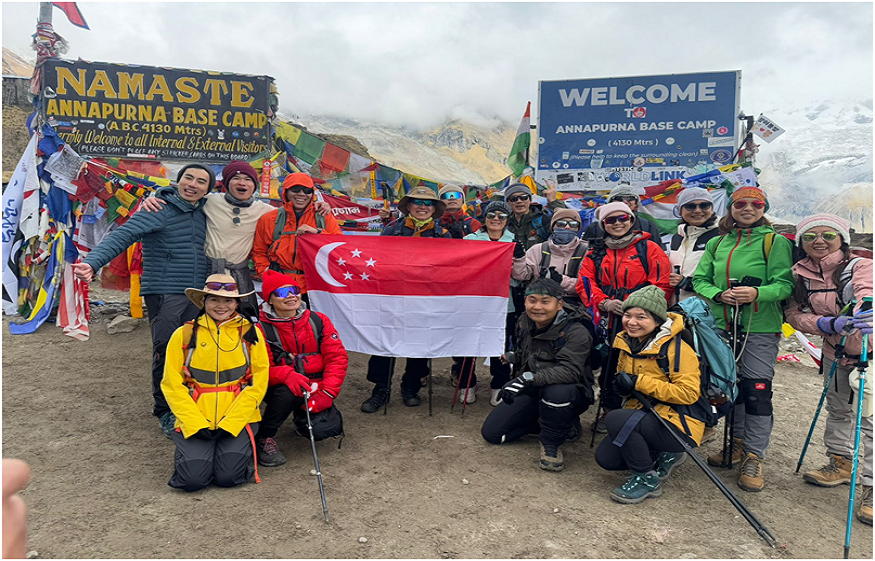
The Annapurna Base Camp trek is a classic experience that presents you to the wealthy differing qualities of central Nepal. This trek ventures profound into the Annapurna Haven, a characteristic amphitheater encompassed by a few of the world’s most famous peaks — counting Annapurna I (8,091 m), Machapuchare (Fishtail), Hiunchuli, and Gangapurna.
Starting from Pokhara, the path rises through a blend of terraced farmland, cascading waterfalls, bamboo forests, and rhododendron woodlands. Towns such as Chhomrong, Bamboo, and Deurali offer inviting teahouses and warm neighborliness from the Gurung and Magar communities.
The Excellence of Base Camp
Reaching Annapurna Base Camp (4,130 m) is an otherworldly minute. The encompassing peaks shine in gold and silver at dawn, and the quiet of the frigid bowl offers a minute of wonderment and reflection. Trekking to the base of a towering 8,000-meter mountain is more than an accomplishment — it’s an association to nature’s crude, untouched grandeur.
The ABC trek regularly takes 7–12 days and is appropriate for trekkers of direct wellness. In spite of the fact that it is not a high-pass trek in the conventional sense, it’s a crucial portion of Nepal’s Iconic collection — a sacrosanct path that draws thousands of trekkers each year and never ceases to inspire.
A Covered up Jewel in the North: Langtang Valley Trek
Nestled fair north of Kathmandu, the Langtang Valley trek is one of Nepal’s most available, however underrated courses. It offers elevated magnificence, wealthy social intelligence, and a calm path free from the swarms of more commercialized treks.
The trip starts with a drive to Syabrubesi, from where the path takes after the Langtang Khola Waterway through thick woodlands and into good country territory. This region is a portion of Langtang National park, domestic to uncommon natural life like ruddy pandas, Himalayan dark bears, and snow leopards.
Kyanjin Gompa and Himalayan Splendor
The path winds through Llama Inn, Ghodatabela, and Langtang Town — a community that was deplorably devastated in the 2015 seismic tremor but has since revamped with versatility. In the long run, trekkers reach Kyanjin Gompa (3,870 m), a little settlement with an old cloister, yak cheese plant, and clearing views.
Side climbs to Kyanjin Ri (4,773 m) or Tserko Ri (4,984 m) offer jaw-dropping scenes of Langtang Lirung, Yala Top, and the ice sheet areas of the valley. These edges bring you to the edge of the sky, advertising a discretionary “mini high pass” challenge inside a moderately brief trek.
Spanning 7 to 10 days, the Langtang trek is perfect for those with restricted time who still need a wealthy Himalayan encounter. It’s moreover a social travel — through Tamang and Tibetan Buddhist legacy — where supplication banners shudder over the path and each turn holds calm wisdom.
The Wild and Farther Manaslu Circuit Trek
The Manaslu Circuit trek is an epic, farther trek around Mount Manaslu (8,163 m) — the world’s eighth highest mountain. It’s a limited trekking course that rewards explorers with segregation, genuineness, and the excitement of crossing one of Nepal’s extraordinarily high passes.
Starting in Soti Khola, the path rises through thick woodland, stream gorges, and cliffside ways. As you move higher, the territory opens into wide snow capped valleys filled with stone towns, turning supplication wheels, and crowds of yaks.
Villages, Religious communities, and the Incredible Pass
Villages such as Namrung, Lho, Sama Gaun, and Samdo uncover a solid Tibetan impact, both socially and compositionally. Religious communities such as Ribung Gompa and Pungyen Gompa stand as otherworldly sentinels in the mountains, their dividers reverberating with old chants.
The apex of the Manaslu Circuit is the crossing of Larkya La Pass (5,106 m) — a wide, frigid navigate flanked by ice sheets and emotional mountain vistas. It’s a physically requesting climb but inconceivably fulfilling. The plummet takes trekkers into the Annapurna region, connecting two of Nepal’s most celebrated mountain systems.
The Manaslu trek ranges 14 to 18 days, and requires an extraordinary allow and enlisted direct. Its remoteness and roughness make it a dream course for trekkers who need to elude the beaten way and touch the crude, untouched side of the Himalayas.
Everest Three Pass Trek
If any trek epitomizes the term “high pass,” it is the Everest Three Pass trek. This amazing course weaves through the Khumbu region, taking trekkers over three of Nepal’s most elevated and most emotional passes: Kongma La (5,535 m), Cho La (5,420 m), and Renjo La (5,360 m).
Starting from the well known airstrip at Lukla, the path at first takes after the classic Everest Base Camp way through Namche Bazaar, Tengboche, and Dingboche. But or maybe then halt at base camp and return, this trek completes an enormous circle, pushing trekkers into high, inaccessible corners of the Everest region.
Peaks, Lakes, and Everest Itself
Along the way, trekkers reach Everest Base Camp (5,364 m) and Kala Patthar (5,545 m), the most notorious perspective for Mount Everest, Lhotse, and Nuptse. But the genuine substance of this trek lies in the three pass intersections, where one’s resolve and versatility are really tested.
From the turquoise Gokyo Lakes to the cold wild of Cho La, each segment of this trek is a visual perfect work of art. The plummet through Thame and the return to Lukla through less-traveled ways offers advanced investigation into Sherpa culture and covered up valleys.
This trek requires 18 to 21 days, high-altitude encounter, and cautious acclimatization. It’s Nepal’s extreme toll pass Iconic — strong, wonderful, and unforgettable.
The Culture and Individuals Behind the Trails
More Than Mountains
While the high passes and peaks are what draw trekkers to Nepal, the individuals and societies along the way are what make them remain — in memory, and frequently in heart. Each of these treks inundates you in Nepal’s different ethnic communities:
- Gurungs and Magars in Annapurna
- Tamang and Tibetan relatives in Langtang
- Tibetan-Buddhist towns in Manaslu
- Sherpas and mountain friars in Everest
You’ll walk through towns built of stone and wood, warmed by fires and filled with the smell of dal bhat, noodles, Tibetan bread, and butter tea. Antiquated religious communities, shuddering supplication banners, turning supplication wheels, and yak caravans enhance the travel with otherworldly energy.
These are not traveler parks. They are living, breathing communities that have flourished in these mountains for centuries. Their benevolence, strength, and association to the arrival will likely be among your most capable memories.
Preparing for the high Pass Collection
Best Seasons to Trek
Spring (March to May) offers blooming rhododendrons, clear skies, and direct temperatures.
Autumn (September to November) brings fresh discussion, steady climate, and incredible mountain visibility.
Physical Readiness
Trekking these trails requires stamina, particularly for high-pass treks like Manaslu and Everest Three Passes. Plan with cardio preparing, long-distance climbs, and high-altitude hone if possible.
Gear Checklist
- Layered clothing framework (base, mid, down jacket)
- Waterproof coat and pants
- Sturdy trekking boots
- Trekking poles
- Sleeping pack (for cold nights)
- Water decontamination (tablets or filter)
- Headlamp, sunscreen, sunglasses
- Basic to begin with help unit and drugs for height sickness
Permits and Logistics
Annapurna: TIMS + ACAP permit
Langtang: TIMS + Langtang National park permit
Manaslu: Limited Allow + ACAP + MCAP + direct required
Everest: Sagarmatha National park allow + Khumbu District fee
Hiring an authorized direct and watchman is exceedingly prescribed. Not as it does it bolster neighborhood communities, but it moreover upgrades security and gives social insights.
Conclusion:
Nepal’s high Pass Collection is more than a set of treks — it’s a trek into the heart of the world’s most noteworthy mountain range. These courses will challenge your body, lift your intellect, and improve your spirit.Whether it’s standing in the hush of Annapurna Base Camp, observing dawn from Tserko Ri in Langtang, crossing the windswept Larkya La Pass, or panting at the sea of Everest from Kala Patthar, each involvement is unforgettable.
This isn’t fair, approximately ticking mountains off a list. It’s about interfacing with the crude drive of nature, the beat of life in good country towns, and the more profound truths that as it were the mountains can reveal.So pack your adapt, bind up your boots, and take after the trails carved by wind, time, and dedication. The Himalayas are calling — and Nepal’s best experience courses anticipate.
Contact Details
Company address: Everest Trekking Routes Pvt. Ltd.
16 Khumbu, Nayabazaar, Kathmandu, Nepal
Mobile : +977-9843467921 (Rabin)