
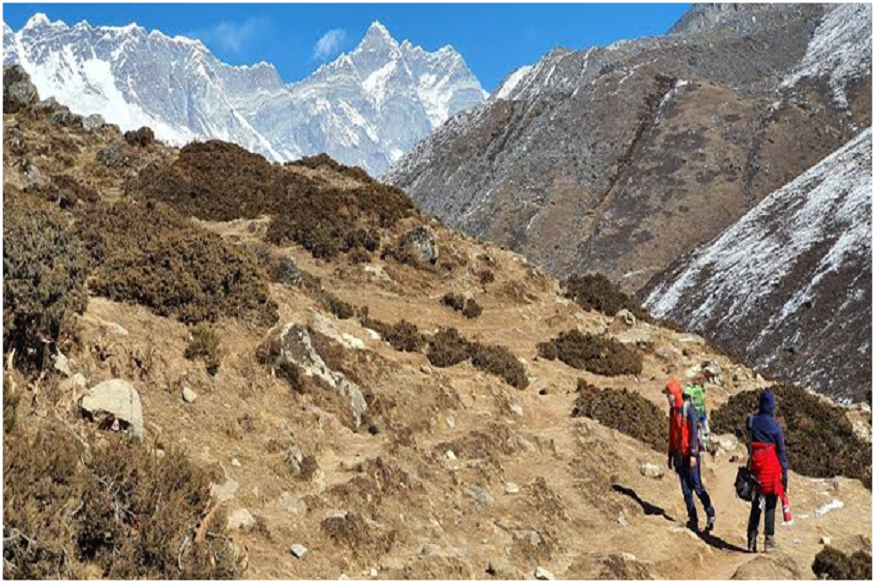
Where Ice Meets the Sky
The Himalayas—ancient, awe-inspiring, and otherworldly—have long attracted trekkers, climbers, and visionaries to their solidified statures. Hung in snow and riddles, they offer not only a fair geological wonder but also an otherworldly trek. Among the numerous treks and climbs carved over these powerful mountains, the Everest Base Camp (EBC) trek, Island peak Climbing, and the Cho La Pass trek stand out as an entwined set of three of enterprise, perseverance, and solidified excellence. Each path is a page in the epic of high-altitude exploration—a travel that joins together culture, mettle, and the crude grandness of nature.
EBC trek: The Path of Legends
The Everest Base Camp trek, frequently hailed as one of the most famous treks in the world, is where most explorers start their Himalayan dream. Extending over a 130-kilometer circular trip, this way leads you through the heart of the Khumbu locale, home to the amazing Sherpas and centuries-old Tibetan Buddhist culture.
Starting from Lukla, the path wanders through pine woodlands, rhododendron valleys, and yak pastures, rising consistently toward the base of the tallest mountain on soil. Key highlights incorporate the otherworldly climate of the Tengboche religious community, the bustling town of Namche Bazaar, and all-encompassing perspectives like Kala Patthar, where trekkers are remunerated with strange dawns over Everest.
But the EBC trek is more than just coming to a destination—it is approximately the trek. Trekkers pass supplication wheels, shuddering mani banners, and turning stupas, all set against a scenery of frosty peaks and cobalt skies. The path is not, as it were, a physical challenge but, moreover, a profound trek into the world’s most noteworthy realm.
Cho La Pass trek: The Solidified Gateway
For those looking for more than fair Everest Base Camp, the Cho La Pass trek offers a brave reroute into the tough spine of the Himalayas. It interfaces the classic EBC path with the Gokyo Lakes and in the long run leads to Island peak. The Cho La Pass itself, standing at 5,420 meters, is a high-altitude, snow-laden gateway—a solidified hallway carved between gigantic ice sheet walls.
This portion of the travel requests versatility. Trekkers must navigate frigid inclines, unsteady moraines, and potential precipices. In any case, the rewards are significant. The turquoise Gokyo Lakes glint like sapphires beneath the Himalayan sun, whereas the Ngozumpa Icy mass, one of the biggest in Nepal, shows a solidified waterway of time extending endlessly.
Crossing Cho La is not simply a physical act—it’s typical. It speaks to an entry from one chapter of the trek to another, from well-trodden ways to lesser-known challenges. It ties the EBC trek with the following crescendo: Island peak Climbing.
Island peak Climbing: Touching the Sky
Towering at 6,189 meters, Island peak (Imja Tse) is a climber’s dream and a peak that bridges trekking with mountaineering. In spite of the fact that it is considered a “trekking peak,” Island peak requires specialized abilities, high-altitude stamina, and mental coarseness. It is not just a summit—it is the last, brilliant accentuation of a Himalayan trilogy.
The climb starts from Chhukung, where climbers get equipped and experience essential preparation. The course leads through frigid moraines, chasm areas, and a soaked ice headwall. Settled ropes and crampons ended up being part of the climb. Each breath gets to be a cognizant act of will in the lean air.
But when you at last stand on Island peak climbing, the world appears to drop absent. All around are the taking-off sentinels of the Himalayas: Lhotse, Nuptse, Baruntse, and Ama Dablam—silver monsters suspended in solidified endlessness. That minute, beneath a penetrating blue sky with supplication banners rippling fiercely, is when the solidified excellence of the Himalayas gets to be unceasingly carved in your soul.
Interwoven Trails: An Orchestra of Snow and Stone
What makes this trio—EBC trek, Cho La Pass, and Island peak Climbing—so interesting is how consistently they can be joined into a single endeavor. Together, they frame a circle that challenges the body, hoists the soul, and captures the pith of the Himalayas in their most genuine form.
The EBC trek presents trekkers to the beat of the mountains, acclimatizing them to both height and amazement. The Cho La Pass trek pushes boundaries, both geological and individual. And Island peak Climbing crowns the experience with a summit that requests everything the past trails have arranged for you.
Few courses offer such an energetic run: from cozy teahouses in Namche to frosty bivouacs underneath frigid cliffs; from the otherworldly chants of ministers to the cold hush of mountain day breaks; from yak trains on hilly ways to crampons crunching over ice.
The Individuals Behind the Peaks
No travel through the Himalayas is total without recognizing the individuals who make it conceivable. The Sherpa community, with their unmatched strength and deep-rooted mountain shrewdness, are the life saver of each trek and climb. From carrying supplies over icy masses to directing climbers on perilous slants, they are the calm heroes of the Himalayas.
Their towns, roosted on hills and encompassed by chortens and supplication stones, offer warm neighborliness in something else solidified. Sharing butter tea, learning about nearby traditions, and tuning in to stories of past undertakings improve the travel past fair physical achievement.
Environmental Obligation in a Solidified Eden
The Himalayan trails are breathtaking—but too delicate. Cold dissolve due to climate alteration, stuffing in peak seasons, and expanding squander are squeezing concerns. Trekkers and climbers bear an obligation to tread gently, regard neighborhood traditions, and bolster sustainable tourism.
Carrying reusable adapt, minimizing squander, and supporting eco-conscious lodges and undertakings offer assistance to protect the solidified excellence of the locale. Each stride ought to be made with reverence—not for the mountains, but for the eras that depend on them.
Conclusion: The Unceasing Grasp of the Himalayas
The Solidified Excellence of the Himalayas isn’t fair, with almost snow-covered peaks or brave climbs. It’s approximately the calm contemplation that comes at 5,000 meters, the companionship manufactured beneath starlit skies, and the pulse that adjusts with the beat of the mountains.
Through the EBC trek, we discover our pace; through Cho La Pass, we discover our limits; and on Island peak, we discover our summit. Together, these trials shape more than an expedition—they have become a story, a memory, a transformation.
In the solidified quiet of the Himalayas, we listen to the loudest echoes of who we really are.